The Diverse Uses of Sugar Cane: From Food Products to Biofuels
Sugar Cane is a plant with diverse applications that extend much beyond easy sugar. Its items range from granulated sugar and molasses to fermented liquors and sustainable packaging products. In addition, it contributes in the manufacturing of eco-friendly biofuels. Understanding these multifaceted usages discloses the environmental and economic significance of sugar Cane farming. The effects of its cultivation techniques elevate inquiries worth exploring better.
The Duty of Sugar Cane in Sweetener Production
Sugar Cane is frequently connected mostly with its pleasant flavor, it plays an important function in the manufacturing of numerous sweeteners worldwide. The process begins with removing juice from sugar walking stick, which is then cleared up and vaporized to generate raw sugar. This raw sugar undertakes additional improvement to create granulated sugar, commonly made use of in markets and homes. Along with standard granulated sugar, sugar Cane is likewise the resource of molasses, a thick syrup that is and preserves many nutrients made use of in baking and food preparation.
Moreover, sugar Cane offers as the foundation for creating alternate sweeteners like high-fructose corn syrup and particular synthetic sugar, which are progressively prominent in food and beverage production. The convenience of sugar Cane in sugar manufacturing not just satisfies consumer need for sweet taste yet likewise supports different food industries, highlighting its significance past mere taste.
Sugar Cane in Food Products Beyond Sweeteners
Sugar Cane provides different nutritional advantages that expand beyond its duty as a sugar. Its flexibility in cooking applications has actually brought about innovative usages in a variety of food, enhancing tastes and appearances. This exploration highlights the broader payments of sugar Cane to the food sector.
Nutritional Perks of Sugar Walking Cane
The dietary advantages of sugar Cane prolong much past its widely known role as a sugar. This flexible plant is rich in essential nutrients, including calcium, potassium, magnesium, and iron. Additionally, sugar Cane consists of anti-oxidants that help battle oxidative stress and anxiety in the body. Its high fiber content aids in digestion and promotes intestine health, making it an important enhancement to the diet regimen. Sugar Cane juice is typically taken in for its hydrating residential properties and all-natural power boost, providing a source of quick carbohydrates. The presence of phytonutrients contributes to its health benefits, potentially supporting immune function. Overall, sugar Cane provides a variety of dietary benefits, adding to a health-conscious and well balanced way of living.
Culinary Innovations and applications
While frequently acknowledged mainly for its sweetness, sugar Cane has become an innovative ingredient in various cooking applications past conventional sugar. Cooks and food makers are progressively using sugar Cane juice and syrup to enhance taste accounts in mouthwatering recipes, sauces, and sauces. Its all-natural sweetness balances seasonings and level of acidity, making it a flexible component in international cuisines. In addition, sugar Cane fibers are discovering their way right into gluten-free flours, supplying structure and nutritional advantages. Ingenious desserts, such as sugar Cane sorbets and candies, display its special flavor, while beverages like sugar Cane mixed drinks and teas highlight its invigorating top qualities. These cooking developments demonstrate sugar cane's capacity to reinvent modern-day gastronomy.
The Manufacturing of Alcohols From Sugar Walking Cane
Changing sugar Cane into alcohols showcases the convenience of this exotic crop. The fermentation of sugar Cane juice or molasses causes a range of preferred drinks, consisting of rum, aguardiente, and cachaç. These drinks are deeply rooted in the cultures of sugar-producing areas, particularly in the Caribbean and South America.
The manufacturing procedure begins with the removal of juice from freshly gathered sugar walking stick, which is then fermented utilizing yeast. This fermentation transforms the sugars into alcohol, creating a base that can be distilled for greater alcohol content. Distillation strategies vary, affecting the flavor profiles and features of the final product.
In addition, aging in barrels can enhance the intricacy and deepness of flavors in spirits like rum. Generally, the transformation of sugar Cane into liquors not just highlights its farming significance but additionally adds greatly to the worldwide drink sector, offering abundant and varied experiences for consumers.
Sugar Cane and Its Use in Biodegradable Packaging
Sugar walking stick's convenience expands beyond beverage production to ingenious applications in naturally degradable product packaging. This renewable energy is increasingly being utilized to create environment-friendly product packaging solutions that decrease reliance on petroleum-based plastics. Stemmed from the coarse residue of sugar walking stick, recognized as bagasse, suppliers can generate biodegradable materials that decompose much more promptly than standard plastics.
These sugar cane-based product packaging products supply a sustainable alternative for various sectors, consisting of food and durable goods. They not only minimize environmental influence however additionally straighten with the expanding customer need for lasting methods. Additionally, sugar Cane product packaging can be engineered to maintain resilience while being light-weight, making certain that it satisfies the useful needs of companies.
As ecological worries intensify, the shift towards biodegradable products, such as those stemmed from sugar cane, presents an encouraging path towards lasting product packaging services that contribute to a round economic situation.
Checking Out Sugar Cane as a Sustainable Biofuel
As the globe seeks renewable resource resources, sugar Cane arises as a promising prospect for lasting biofuel production. This functional crop can be converted right into ethanol, a cleaner-burning option to fossil fuels - What Is Sugar Cane Used For. The fermentation procedure utilizes the sugars removed from the walking cane, leading to a renewable resource resource that greatly reduces greenhouse gas emissions contrasted to traditional fuels
Sugar walking cane's high power return per hectare more boosts its stability as a biofuel. It can be grown in different environments, making it obtainable for numerous areas, especially in tropical and subtropical areas. Furthermore, the byproducts of sugar Cane processing can be used in creating electrical energy, including an additional layer of sustainability to its use. The adoption of sugar cane-based biofuels not only advertises power self-reliance yet likewise sustains farming economic situations. Subsequently, sugar Cane attracts attention as a lasting remedy in the worldwide shift towards renewable resource.
Nutritional Conveniences of Sugar Cane and Its Byproducts
The potential of sugar Cane extends past its duty in sustainable biofuel manufacturing; it likewise offers substantial nutritional benefits. Rich in vital nutrients, sugar Cane supplies essential minerals such as magnesium, potassium, and calcium, which add to overall health. In addition, its juice is a check here natural resource of anti-oxidants, aiding to fight oxidative stress and anxiety in the body.
Sugar Cane by-products, such as molasses, even more improve its dietary profile. Molasses is high in iron, making it a beneficial enhancement for those looking for to boost their iron intake. In addition, both sugar Cane and its byproducts contain nutritional fiber, which aids digestion and promotes a healthy gut.
The visibility of vitamins, specifically B vitamins, in sugar Cane supports energy metabolism and total health. Jointly, these nutritional facets position sugar Cane as even more than simply a source of sweetness, making it a functional part in various diet plans.
The Ecological Impact of Sugar Cane Farming
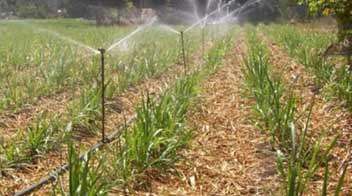
On the other hand, the growing procedure can cause different ecological obstacles. Deforestation frequently occurs to make way for sugar Cane areas, which disrupts ecological communities and biodiversity. Additionally, the hefty usage of fertilizers and chemicals can cause dirt deterioration and water contamination, influencing local wildlife and areas. Additionally, the intensive watering required in some areas can diminish water sources, leading to scarcity.
Frequently Asked Inquiries
How Does Sugar Cane Affect Dirt Health And Wellness Throughout Growing?
The growing of sugar Cane considerably impacts soil wellness. It can enhance soil structure and fertility through raw material addition, yet too much use plant foods may bring about nutrition exhaustion and soil degradation with time.
What Are the Economic Perks of Sugar Cane Farming?
The financial benefits of sugar Cane farming include work development, raised regional earnings, and payments to nationwide GDP. In addition, sugar walking cane's versatility permits diverse market chances, improving farmers' economic security and promoting farming advancement.
Can Sugar Cane Be Expanded in Non-Tropical Areas?
Sugar Cane can be cultivated in non-tropical areas, offered the environment is sufficiently warm and frost-free. What Is Sugar Cane Used For. Adaptation methods, such as selecting suitable selections and utilizing irrigation, can boost its growth possibility in these locations
What Conditions and parasites Impact Sugar Cane Crops?
Pests such as sugarcane borers and aphids, along with illness like red rot and rust, considerably effect sugar Cane crops. These dangers can lower yield and top quality, demanding efficient administration methods for farmers.
Exactly How Is Sugar Cane Harvested and Processed?
Sugar Cane is normally harvested by cutting the stalks short. After harvesting, the Cane is moved to refining centers where it is squashed to extract juice, which is after that fine-tuned into various products.
Sugar Cane is a plant with varied applications that extend much past Web Site simple sugar. The procedure begins with drawing out juice from sugar walking cane, which is after that clarified and evaporated to generate raw sugar. Cutting-edge treats, such as sugar Cane sorbets and candies, display its unique flavor, while beverages like sugar Cane alcoholic drinks and teas highlight its invigorating qualities. The presence of vitamins, specifically B vitamins, in sugar Cane supports power metabolic rate and total wellness (What Is Sugar Cane Used For). view publisher site On one hand, sugar Cane is a renewable resource that can add to sustainable farming and offer biofuels, decreasing reliance on fossil fuels
Comments on “How Innovators Are Expanding What Is Sugar Cane Used For in Different Markets”